Real Estate
Suspected serial killer Raymond Horsch put himself in "great degree of danger" as informant, court papers say
By Ethan J. Mulligan
Advertisement · Why this ad?
With a background in investigative journalism from Drexel University, Leo has been reporting on local government for 6 years, previously for the Montgomery News. His rigorous approach to research and fact-checking ensures his articles are backed by solid evidence, engaging the public in local issues.
More from Leo →
In a dimly lit courtroom, the echoes of a past filled with deep-seated corruption and chilling crimes reverberated through the air. As Raymond Horsch's lawyer stood before a federal judge, he revealed a shocking twist: former Philadelphia Mayor John F. Street had penned a letter requesting police not to arrest Horsch. The letter, a key piece of Horsch's defense, raised eyebrows and questions about the intertwining of power and criminality in the city.
Newly unsealed court documents have exposed a troubling saga involving Raymond Horsch, a man linked to a disturbing investigation into at least seven missing women in Philadelphia. Horsch's legal team argued that the former mayor's letter, which claimed Horsch was working on a documentary about women battling addiction in Kensington, should have prevented his arrest. This defense was presented during court proceedings in 2012, where Horsch managed to cut a plea deal that significantly reduced his potential prison time.
Horsch, who had faced a daunting 20-year sentence due to a 2009 drug bust that revealed a marijuana grow operation and weapons in his home, ultimately served just four and a half years in prison. His plea deal was contingent upon providing information on various serious crimes, including child prostitution and cocaine trafficking. The implications of this arrangement now cast a long shadow over the integrity of the legal system.
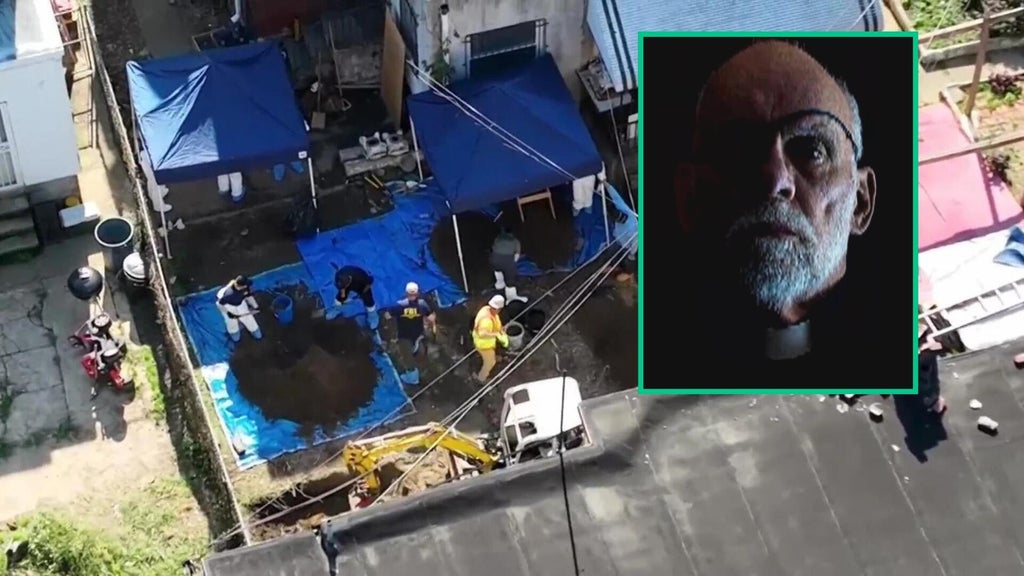
As the investigation into Horsch deepened, authorities uncovered a trove of disturbing evidence linked to his property on Chew Avenue in Olney, dubbed the 'House of Horrors.' The recent excavation, which involved local and federal agencies, aimed to shed light on the fate of the missing women, revealing a darker side of the city's struggles with crime and addiction.
The revelations surrounding Raymond Horsch have sent shockwaves through the Philadelphia community. Many residents are grappling with the implications of a former mayor intervening on behalf of a man now linked to heinous crimes. Local community leaders have voiced their concerns about the message this sends regarding accountability and the protection of vulnerable populations, particularly women struggling with addiction.
“It’s disheartening to see how power can be wielded to shield individuals from facing the consequences of their actions,” said Mary Johnson, a community advocate focused on women's issues. “This case highlights the urgent need for transparency and justice in our system.”
Furthermore, the investigation has reignited discussions about the systemic issues plaguing Kensington, where addiction has reached crisis levels. Families are mourning the loss of loved ones, and the community is demanding answers. The presence of law enforcement and federal agencies has brought a glimmer of hope, but the scars of past failures linger.
For families of the missing women, the implications of Horsch's actions are particularly devastating. Many have expressed their anguish and frustration over the lack of accountability. “We just want to know what happened to our daughters, sisters, and friends,” lamented one mother, whose daughter has been missing for over a year. “It feels like the system has failed us time and time again.”
As the community rallies for justice, support groups have emerged, offering solace and resources to those affected by addiction and loss. These organizations play a crucial role in helping families navigate their grief while advocating for systemic changes to prevent future tragedies.
In the wake of these revelations, local activists have begun organizing community forums to discuss the implications of Horsch's case and the broader issues surrounding addiction and violence against women. These forums aim to empower community members, providing them with tools to advocate for policy changes that prioritize the safety and well-being of vulnerable populations.
“We need to come together as a community to demand better from our leaders and our systems,” said David Martinez, a local activist and member of the Kensington Coalition for Change. “This isn’t just about one man or one case; it’s about how we can create a safer environment for everyone.”
Moreover, local artists and filmmakers have begun collaborating on projects that aim to raise awareness about the struggles faced by women in addiction and the systemic failures that often leave them unprotected. These creative efforts not only serve to inform the public but also foster a sense of solidarity among those affected.
The investigation into Horsch's activities and the broader implications for the Philadelphia community are far from over. Authorities are continuing to sift through the evidence collected from the Horsch property, including a luminol test performed inside the home to detect possible DNA evidence linked to the missing women. This thorough investigation is crucial for providing closure to families and ensuring those responsible for any wrongdoing are held accountable.
As the city grapples with the fallout from this case, there is a growing call for reforms in how law enforcement and city officials handle cases involving vulnerable populations. Community leaders are advocating for increased resources dedicated to addiction treatment and prevention, emphasizing the need for a compassionate approach that prioritizes the well-being of individuals.
In the aftermath of these revelations, discussions about the role of politicians in influencing legal outcomes are gaining traction. Activists are pushing for greater oversight and transparency in government actions, aiming to restore public trust in the system. The hope is that by addressing these issues head-on, Philadelphia can begin to heal and work towards a safer future for all its residents.
As the investigation unfolds, there is an opportunity for community engagement that could lead to meaningful change. Local organizations are planning to host town hall meetings where residents can voice their concerns and suggestions for improving safety and support systems within the city. This grassroots approach could foster a sense of ownership among community members, empowering them to play an active role in shaping policies that affect their lives.
Additionally, collaborations between law enforcement and community organizations are being explored to enhance trust and communication. By working together, they can create initiatives that address the root causes of addiction and violence, ultimately leading to more effective prevention and intervention strategies.
The unfolding saga surrounding Raymond Horsch and his connections to former Mayor John F. Street raises profound questions about the intersection of power, crime, and community welfare. As investigations continue and families seek answers, it is imperative that Philadelphia confronts the underlying issues that have allowed such tragedies to persist.
Ultimately, the community's resilience will be tested, but there is hope that through collaboration and advocacy, a brighter future can emerge. The fight for justice and accountability is far from over, and the voices of those affected must be at the forefront of this critical conversation.
As we look ahead, the commitment to building a safer, more compassionate Philadelphia remains a shared responsibility. Together, we can work towards a community that values the dignity of every individual and strives to protect its most vulnerable members.
By Ethan J. Mulligan

By Natalie G. Ramos

By Aisha K. Thompson

By Marissa C. Delgado