
Schools
Retired Bucks County teacher struck, killed by DART bus in library parking lot
By Natalie G. Ramos
Advertisement · Why this ad?
Natalie has over 7 years of experience in education reporting, previously working with the Norristown Herald. She holds a Master’s in Educational Leadership from Arcadia University and is passionate about covering stories that impact local students and educators. Natalie's focus is on highlighting innovative programs and challenges within King of Prussia’s schools.
More from Natalie →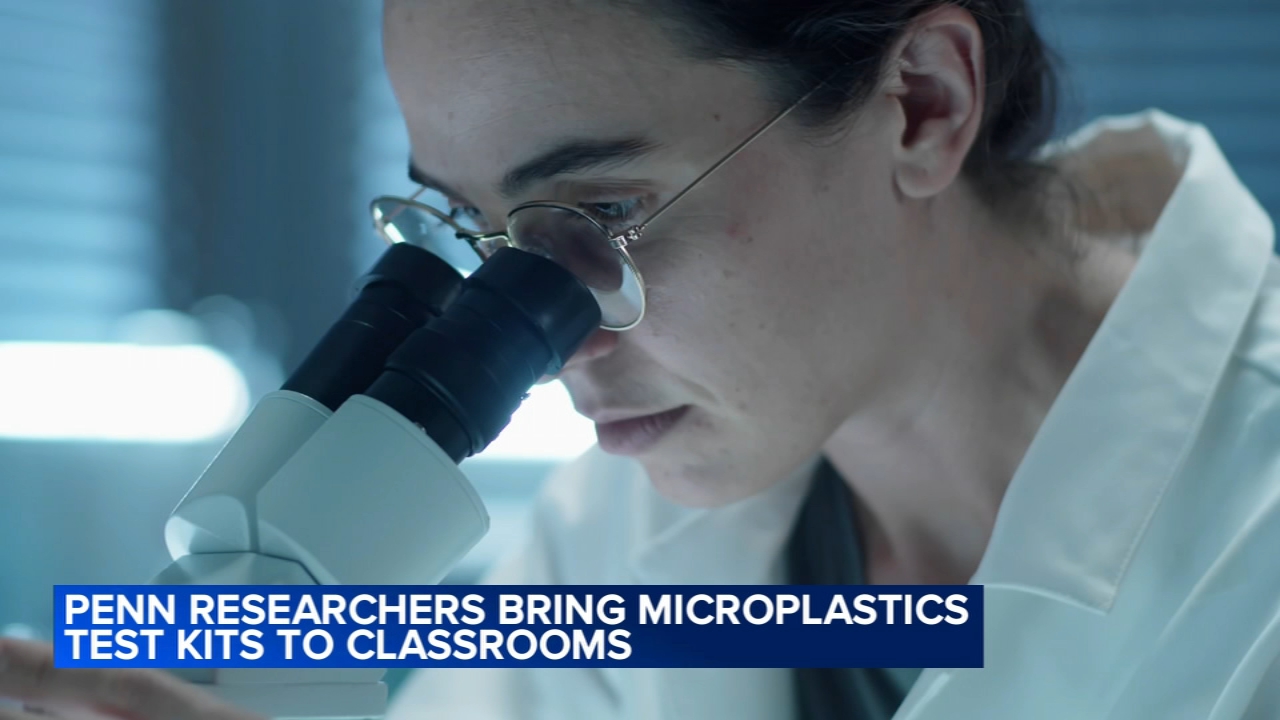
On a crisp autumn morning in Philadelphia’s Chinatown neighborhood, a group of eager eighth-graders at Holy Redeemer School gathered around a table, eyes wide with curiosity. Instead of a typical textbook lesson, they were about to participate in a groundbreaking experiment—testing their own drinking water for tiny, often invisible microplastics. This moment, seemingly simple, encapsulates a growing movement to educate the next generation about environmental stewardship and public health, directly linking academic research to community empowerment.
In a pioneering collaboration, researchers from the University of Pennsylvania’s McBride Lab introduced innovative microplastics detection kits into the classroom, providing students with hands-on experience in identifying pollutants that pose a silent threat to ecosystems and human health. Led by postdoctoral fellow Derek Ho, the demonstration aimed to demystify microplastics—particles less than five millimeters in size—that are pervasive in our water sources, yet often go unnoticed.
The initiative marks the first phase of a broader effort to distribute these detection kits to schools across Philadelphia, fostering early awareness and scientific literacy. As Ho explained, “There’s limited education around microplastics, and our goal is to equip students and educators with the tools to understand and combat this issue.” The kits allow students to see firsthand how microplastics can contaminate drinking water, a revelation that resonated deeply with participants like Alyson Liang, who remarked, “I didn’t realize microplastics were everywhere—it's eye-opening.”
The response from the Holy Redeemer community has been overwhelmingly positive, with teachers and parents recognizing the importance of integrating environmental science into early education. Principal Maria Gonzalez emphasized that fostering environmental responsibility aligns with the school’s mission to nurture well-rounded, conscientious citizens. “When children understand the impact of pollution, they become empowered to make better choices,” she said.
Local educators see this initiative as a vital step in addressing environmental health disparities. Microplastics are not just an abstract problem; they are linked to broader issues like water safety and public health, especially in urban communities where access to clean water can be uneven. Philadelphia, with its rich history as a hub of industry and commerce, faces unique challenges related to pollution and environmental justice. Many neighborhoods, particularly those in densely populated areas like Chinatown, have historically had limited access to clean, safe drinking water, making community-led education all the more crucial.
By introducing these concepts early, schools like Holy Redeemer are helping to build a foundation of knowledge that can inspire future careers in science, policy, and community advocacy. The students, many of whom come from families with deep roots in the city, are learning that their everyday environment is connected to larger global issues—climate change, plastic pollution, and public health crises. This awareness can motivate them to participate actively in local initiatives or even pursue careers that address these challenges.
Philadelphia’s history as a port city and industrial center means that its waterways and neighborhoods have long been impacted by pollution. The Schuylkill River, once heavily contaminated during the city’s industrial peak, has seen significant cleanup efforts over the past decades, yet challenges remain. Microplastics, which originate from a variety of sources including discarded plastic waste, synthetic textiles, and degraded larger plastics, have become a new frontier in urban pollution concerns.
Community organizations such as the Philadelphia Water Department (PWD) have been at the forefront of efforts to improve water quality and raise public awareness about pollution issues. The PWD’s website offers resources on water safety, conservation, and pollution prevention, emphasizing the importance of community involvement. Their campaigns often target vulnerable populations, recognizing that environmental hazards disproportionately affect low-income neighborhoods.
Furthermore, local advocacy groups like the Clean Water Action Philadelphia chapter work closely with schools and residents to promote policies that reduce plastic waste and improve water infrastructure. The partnership between Penn researchers and Holy Redeemer School exemplifies how academic institutions can serve as catalysts for community-led change, fostering trust and collaboration in neighborhoods that have historically faced environmental injustices.
The team from Penn Engineering, led by postdoctoral fellow Derek Ho, comprises scientists dedicated to translating cutting-edge research into practical solutions. Ho, who grew up in nearby suburban Pennsylvania, has long been passionate about environmental issues, especially the impact of plastics on ecosystems and human health. His work involves developing affordable, easy-to-use detection methods that can be deployed in diverse settings, from classrooms to field sites.
Supporting Ho’s efforts are faculty members and graduate students who specialize in environmental engineering, public health, and education outreach. Their collective goal is to bridge the gap between research and community engagement, ensuring that scientific advances translate into tangible benefits for local populations. The students and teachers at Holy Redeemer School have become part of this collaborative effort, gaining firsthand experience in environmental science while contributing to larger data collection initiatives that can inform policy.
Principal Maria Gonzalez, who has been with Holy Redeemer for over a decade, emphasized the importance of integrating real-world science into the curriculum. “Our students need to see how what they learn applies to their daily lives and their city,” she said. “This program not only educates but also empowers them to become environmental stewards.”
Philadelphia’s diverse communities face unique environmental challenges, and this initiative underscores the importance of inclusive, community-based solutions. Microplastics are a global problem, but local efforts are vital to protect residents’ health and preserve the city’s natural resources. As climate change accelerates and plastic waste continues to accumulate, cities like Philadelphia must lead by example, fostering innovation and education to combat pollution.
Moreover, the project aligns with the city’s broader sustainability goals. Philadelphia has committed to reducing greenhouse gas emissions and increasing green infrastructure, but tackling plastic pollution requires a multipronged approach that includes education, policy, and community action. The involvement of schools like Holy Redeemer ensures that future generations will carry the torch for environmental justice and sustainability.
Looking ahead, the University of Pennsylvania plans to expand this educational program by partnering with other schools and community organizations throughout Philadelphia. The goal is to create a sustainable model where students can conduct ongoing water quality assessments and participate in local environmental initiatives. Funding from federal sources, including a recent $144 million investment announced by the White House for microplastics research, underscores the national importance of these efforts.
Furthermore, the program hopes to foster collaborations with city agencies and nonprofits dedicated to water safety and pollution reduction. As Ho noted, “Educating young people today is essential to developing innovative solutions tomorrow. We want students to see themselves as part of the solution, whether through scientific research or community activism.” This approach aligns with broader values of faith, family, and community—cornerstones of a society committed to nurturing resilient, informed citizens who cherish the American dream built on integrity and stewardship.
In a city where communities face environmental challenges alongside economic and social ones, initiatives like these serve as a beacon of hope. They remind us that investing in education and research today can lead to healthier, more sustainable communities tomorrow, rooted in the enduring strength of families and authentic faith. As Philadelphia continues to confront complex issues of pollution and public health, empowering its youth with knowledge and tools becomes not just an educational goal but a moral imperative.
By Natalie G. Ramos

By Natalie G. Ramos
By Kyle Harris
By Samantha R. Patel