Community
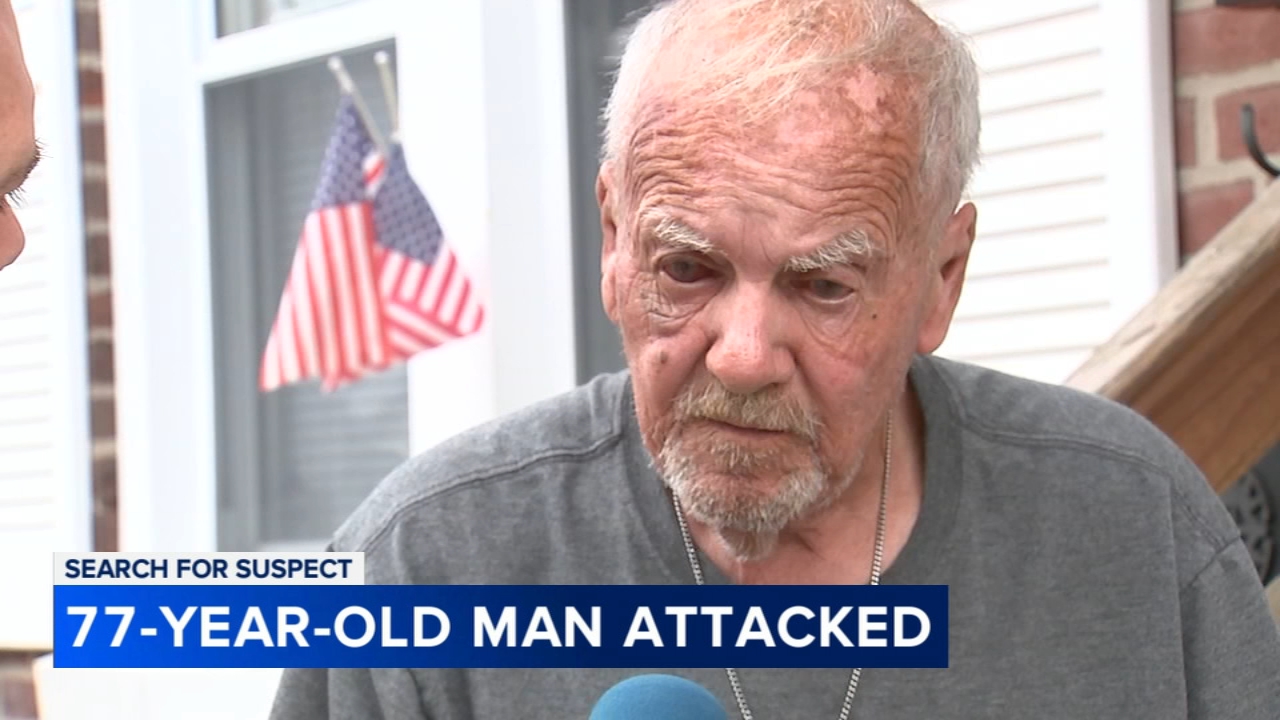
77-year-old man says he was beaten in unprovoked attack in Ridley Township: 'I'm lucky to be alive'
By Samantha R. Patel
Advertisement · Why this ad?
Jasmine is a recent graduate of the University of Pennsylvania and has quickly made a name for herself in local journalism covering community events for the King of Prussia Chronicle. With a keen interest in local history and cultural initiatives, she enjoys sharing stories that reflect the town’s rich heritage.
More from Jasmine →
Under the shimmering Miami sun, a helicopter’s sudden descent into Biscayne Bay turned a routine photo shoot into a tragic scene that has left a community grappling with grief and questions. The crash, reported on the morning of November 1, 2026, claimed the life of Tomas Pendas, a seasoned pilot whose life was cut short while capturing the thrill of a speedboat event known as Poker Run. As emergency responders rushed to the water’s edge, the community watched with heavy hearts, pondering the fragile line between adventure and danger that so often shadows our pursuit of excitement.
According to authorities, the helicopter, a Robinson R44, departed North Perry Airport around 10:10 a.m., bound for what was supposed to be a scenic flight during the popular Poker Run event. Just over an hour later, at approximately 11:15 a.m., the aircraft plummeted into Biscayne Bay, about 20 miles southwest of downtown Miami. The crash was reported when a participating speedboat made a mayday call, alerting rescue teams to the unfolding catastrophe.
Rescue personnel arrived swiftly, finding a Good Samaritan providing lifesaving efforts to one of the victims. Despite their heroic efforts, the pilot, identified as 63-year-old Tomas Pendas, was pronounced dead at the scene. Two other men, aged 52 and 27, were rescued from the water with minor injuries and transported to nearby hospitals for treatment. The cause of the crash remains under investigation by the FAA and NTSB, with no definitive reason yet established, leaving families and investigators alike searching for answers amid the wreckage.
The incident has sent ripples through Miami’s vibrant boating and aviation communities—groups that often see the waterways and skies as extensions of their daily lives. Biscayne Bay, a hub for both recreation and commerce, is dotted with luxury yachts, fishing vessels, and increasingly, recreational aircraft. The crash has prompted a reevaluation of safety protocols, especially during large-scale events like Poker Run, which draws hundreds of boaters and spectators from across the region.
The tragedy struck a community that values safety, faith, and the unbreakable bonds of family. Miami-Dade Sheriff Rosie Cordero-Stutz expressed her condolences and gratitude for the quick actions of the Good Samaritan, whose lifesaving efforts likely prevented further loss of life. “We are thankful for the brave individual who stepped in during a moment of chaos,” she remarked during a press briefing. The incident has sparked conversations about the safety protocols surrounding aerial photography and recreational flights over water, especially during high-energy events like Poker Run.
Local residents and boating enthusiasts shared their feelings of sorrow and concern. Many emphasized the importance of responsible flying and the need for stricter safety measures to prevent future tragedies. The community’s collective mourning underscores how deeply intertwined such events are with local culture—where family outings, faith, and community support form the backbone of everyday life. As the investigation continues, families are holding tight to their loved ones, reaffirming the value of strong marriages and steadfast faith that sustain them through hardships.
Miami’s skies have long been a hub for both commercial and recreational aviation, with a history stretching back to the early days of flight. The city’s proximity to the Everglades and the Atlantic Ocean has made it a popular launch point for scenic flights, aerial tours, and private charters. Over the decades, Miami International Airport and North Perry Airport have seen thousands of flights, many of which involve small aircraft like the Robinson R44 involved in this tragedy.
While aviation safety has improved significantly since the early days, accidents still occur, often highlighting the importance of rigorous maintenance, pilot training, and adherence to safety protocols. The Miami Aviation Authority and the FAA have established strict guidelines, but the increasing popularity of recreational flying and aerial photography has introduced new challenges. The community’s response to this crash reflects a broader awareness of these issues, with calls for enhanced oversight and safety measures to protect both pilots and the public.
Notably, the Robinson R44 is one of the most popular light helicopters in the world, favored for its reliability and versatility. However, it requires meticulous maintenance and skilled operation. The Miami crash has reignited discussions about whether current safety standards are sufficient for the growing number of recreational and commercial flights over congested waterways and urban areas.
The wreckage of the helicopter remains in Biscayne Bay, expected to be removed by Friday for further examination. The FAA and NTSB are diligently investigating the circumstances surrounding the crash, including mechanical issues, pilot error, or other unforeseen factors. Meanwhile, authorities are reaching out to the Good Samaritan to thank them for their quick response, highlighting the importance of community vigilance and heroism in moments of crisis.
Looking ahead, the incident serves as a sobering reminder of the risks inherent in adventure sports and recreational flying—especially over water, where rescue efforts can be complex and perilous. Local officials are calling for renewed safety awareness and stricter regulations to protect both participants and spectators at future events. The tragedy also prompts families to reflect on the importance of faith and unity, especially in moments of loss, reinforcing the American dream of families built on commitment, love, and shared faith.
In the wake of this tragedy, Miami’s local government and aviation authorities are convening emergency safety review panels. These panels will assess current protocols at events like Poker Run and consider new measures such as increased flight restrictions, mandatory safety briefings for pilots, and enhanced emergency response plans. Community leaders are emphasizing the importance of transparency and public engagement in these efforts, aiming to restore trust and confidence in recreational aviation activities.
Furthermore, the local community is rallying around the families of the victims, organizing memorial services and support groups. Religious leaders, community activists, and local officials are emphasizing themes of resilience, faith, and collective healing. The loss of Tomas Pendas, a veteran pilot with decades of experience, underscores the unpredictable nature of aviation accidents and the need for ongoing vigilance and education.
As Miami and surrounding communities continue to mourn, they also stand resilient, committed to honoring the lives lost and ensuring that safety remains a priority. The story of Tomas Pendas and the others involved in this heartbreaking accident will undoubtedly shape future policies and community conversations, fostering a culture of caution that honors the courage and sacrifice of those who serve and protect. In a world of fleeting moments and soaring dreams, it is the enduring strength of faith and family that anchors us in hope and healing.
By Samantha R. Patel

By Samantha R. Patel

By Samantha R. Patel

By Jasmine T. Winters