
Community
Browns Mills dog rescue couple accused of animal cruelty, weapons violations
By Samantha R. Patel
Advertisement · Why this ad?
Jamal holds a degree in Sociology from the University of Delaware and has 5 years of experience writing about community issues and grassroots movements for local newspapers. He is deeply rooted in Allentown and passionate about local activism.
More from Jamal →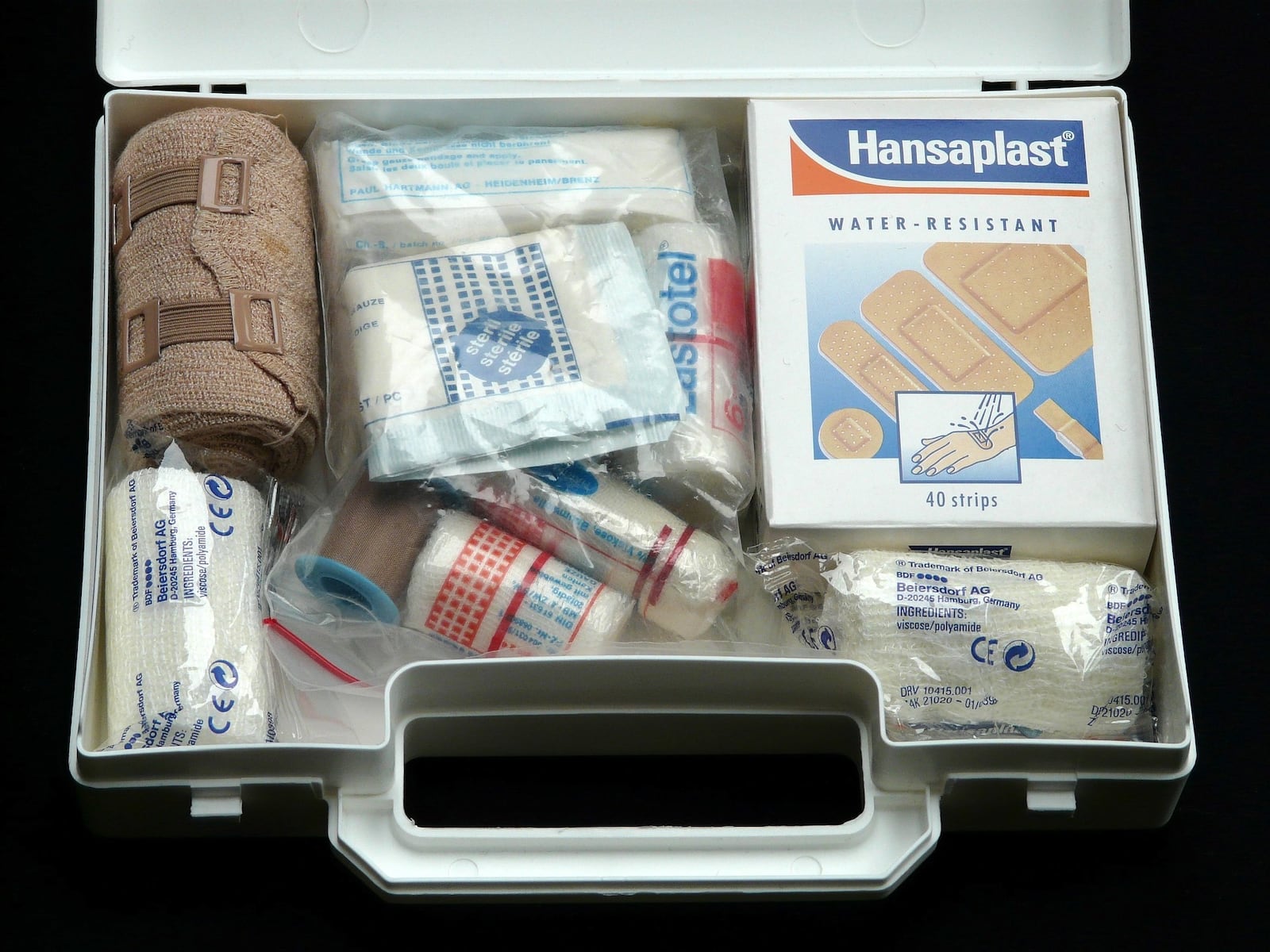
On a quiet morning in Allentown, I watched Mrs. Carter, a local schoolteacher, gently fold her hands over her coffee mug, her brow furrowed as she scrolled through her social media feed. Headlines from around the world flashed across her screen: governments urging citizens to prepare for potential crises by stockpiling essentials for up to 90 days. While the world seems to be sounding alarms, her concern was tempered by a quiet, steadfast faith in community and family. It’s a reminder that in a world of uncertainty, rootedness in faith and family remains our strongest anchor.
Recently, several nations including Great Britain, Norwegian government preparedness, Japanese emergency protocols, Germany, and Swedish emergency recommendations—have issued guidance urging citizens to prepare for emergencies. These recommendations include stocking food, water, and even investing in portable toilets. The message is clear: be prepared for disruptions that could last weeks or even months, whether from natural disasters, geopolitical tensions, or unforeseen crises. The emphasis on preparedness isn’t new, but the scale and specificity—such as the suggested 90-day supply—have many Americans wondering what they should do at home.
Despite the headlines and social media chatter, experts caution against panic. Dr. Samuel Lewis, a community health specialist at Lehigh Valley Health Network, emphasizes that “the goal isn’t fear, but readiness.” Stockpiling essentials can be a wise step, but it shouldn’t turn into hoarding or anxiety-driven shopping sprees. Instead, families should focus on building a simple, sustainable plan that fits their needs and faith-based values. A well-stocked pantry, a reliable water source, and a commitment to helping neighbors—these are practical, faith-affirming ways to prepare without succumbing to fear.
For families looking to start or improve their emergency preparedness, the key is balance. Basic supplies include non-perishable food, bottled water (at least one gallon per person per day), and essential medications. It’s also wise to have a flashlight, batteries, a first-aid kit, and hygiene products. For those with children or elderly family members, additional considerations like baby formula or mobility aids are crucial. The emphasis is on simplicity—what can be sustained without excess or waste, reflecting the biblical principle of stewardship and prudent planning. Community organizations like the Lehigh County Office of Emergency Management offer resources and guidance to help families prepare responsibly.
In Allentown, we know that strong families and faith are the backbone of resilience. Our churches, schools, and local nonprofits work tirelessly to foster a sense of hope and preparedness rooted in love and service. When families stay committed to one another—through good times and bad—they build a foundation that no crisis can easily shake. It’s in these bonds that we find true security, not just in supplies, but in the assurance that our community cares for each other as Christ teaches us to do. The recent guidance from international governments reminds us that preparedness is also about faith—trusting in God's provision and His plan for our lives.
As we look ahead, it’s worth remembering that the American dream is built on families who are committed, communities that stand together, and faith that sustains us through every storm. Preparing wisely, with prayer and prudence, keeps us grounded in hope. We can face any challenge with a calm spirit, knowing that our strength comes from the Lord and our commitment to each other.
In the end, the call to stockpile isn’t about fear but about stewardship—being wise stewards of the blessings God has given us. By building a simple, faith-filled plan for emergencies, we honor our families, serve our neighbors, and uphold the values that make Allentown a community rooted in hope and resilience.
Allentown, nestled in the heart of Pennsylvania’s Lehigh Valley, has long been a city shaped by strong community ties and a resilient spirit. Historically an industrial hub, the city has faced economic shifts, natural disasters, and social challenges. Yet, its people have always rallied together, whether through union efforts in the 20th century or recent community-led initiatives aimed at disaster preparedness and recovery.
Local leaders, including Mayor Matt Tuerk and the Lehigh County Emergency Management team, have emphasized that preparedness isn’t just about individual families but about community-wide resilience. They have organized workshops, emergency drills, and informational sessions at local churches, schools, and community centers. These efforts aim to ensure that every resident, regardless of age or background, understands how to respond in a crisis.
For example, the Allentown Public Library has partnered with local nonprofits to distribute free emergency kits and provide educational resources. Schools incorporate emergency preparedness into their curricula, teaching children basic safety skills rooted in faith and community values. These initiatives reflect a community that understands the importance of proactive planning, not out of fear but out of love and responsibility for one another.
Among those leading the charge is Pastor Samuel Rodriguez of Allentown’s Faith Community Church, who has been instrumental in organizing volunteer efforts and faith-based preparedness workshops. “Our faith teaches us that we are called to love our neighbor,” he says. “Preparing for emergencies is part of living out that love—being ready to serve and support each other when it matters most.”
Another key figure is Lisa Martinez, director of the local nonprofit Hope in Action, which provides resources and training to vulnerable populations, including seniors and low-income families. “Many of our community members live paycheck to paycheck,” she explains. “We want to empower them with knowledge and supplies so they can face any challenge with confidence, anchored in faith and community support.”
The conversation about emergency preparedness is ongoing. Local officials are encouraging residents to view preparedness not as a one-time task but as an integral part of their lives. Future initiatives include establishing neighborhood emergency response teams, expanding community resource centers, and integrating faith-based organizations more fully into disaster planning.
Moreover, there’s a growing emphasis on mental health and emotional resilience. Preparing physically is vital, but so is fostering a community that supports mental well-being during crises. Local churches and mental health providers are collaborating to offer workshops on coping strategies rooted in faith and community support.
As Allentown continues to grow and evolve, its strength lies in its people—families, faith communities, and local leaders working together to build a resilient, hopeful city. The recent international guidance on emergency preparedness is a reminder that being ready is an act of love and stewardship, grounded in faith and community values.
By Samantha R. Patel
By Samantha R. Patel
By Jasmine T. Winters

By Samantha R. Patel